The transition to digital is no longer a “sometime in the future” goal. The UK Government has confirmed that mandatory digital waste tracking will come into effect from October 2026.
This isn’t just a minor administrative tweak; it is a fundamental shift in the legal “Duty of Care.” From this date, all permitted and licensed waste-receiving sites, including ITAD facilities, will be legally required to record every waste movement on the new national digital service.
Key milestone dates
Spring 2026: The “Public Beta” begins. All waste receivers can voluntarily start using the digital service to refine their processes.
October 2026: The Hard Deadline. Digital tracking becomes mandatory for all licensed waste sites. Paper records will no longer suffice for compliance.
April 2027: The mandate expands further to include waste carriers, brokers, and dealers.
What else changed in 2026, and it differs by nation
Digital waste tracking applies across England and Wales, but the workplace recycling duties sitting behind it run to separate timetables. Surplex UK Limited collects across England, Wales and Scotland, so a multi-site estate can be subject to more than one of these regimes at once.
England
Workplaces with 10 or more full-time equivalent employees have had to separate their recycling since 31 March 2025 under Simpler Recycling. Micro-firms with fewer than 10 have until 31 March 2027.
Wales
From 6 April 2026, all unwanted small waste electrical and electronic equipment produced by a Welsh workplace must be separated for recycling. The duty previously applied only to unsold stock, and it follows the 2024 rollout that required glass, card, paper and food waste to be separated.
A small electrical item is anything with a plug, a battery or a cable measuring 50cm or less on every side. In an office that covers most of it: laptops, phones, tablets, keyboards, chargers, kettles and power tools.
How Surplex UK Limited is Preparing for the Shift
We are currently in the “Laboratory Phase” of our digital transition. We aren’t waiting for the October deadline to figure things out; we are proactively building a system that bridges the gap between our current high-security asset tracking and the upcoming national requirements.
Here is what we are working on behind the scenes to ensure our clients stay ahead:
1. API Integration & Real-Time Syncing
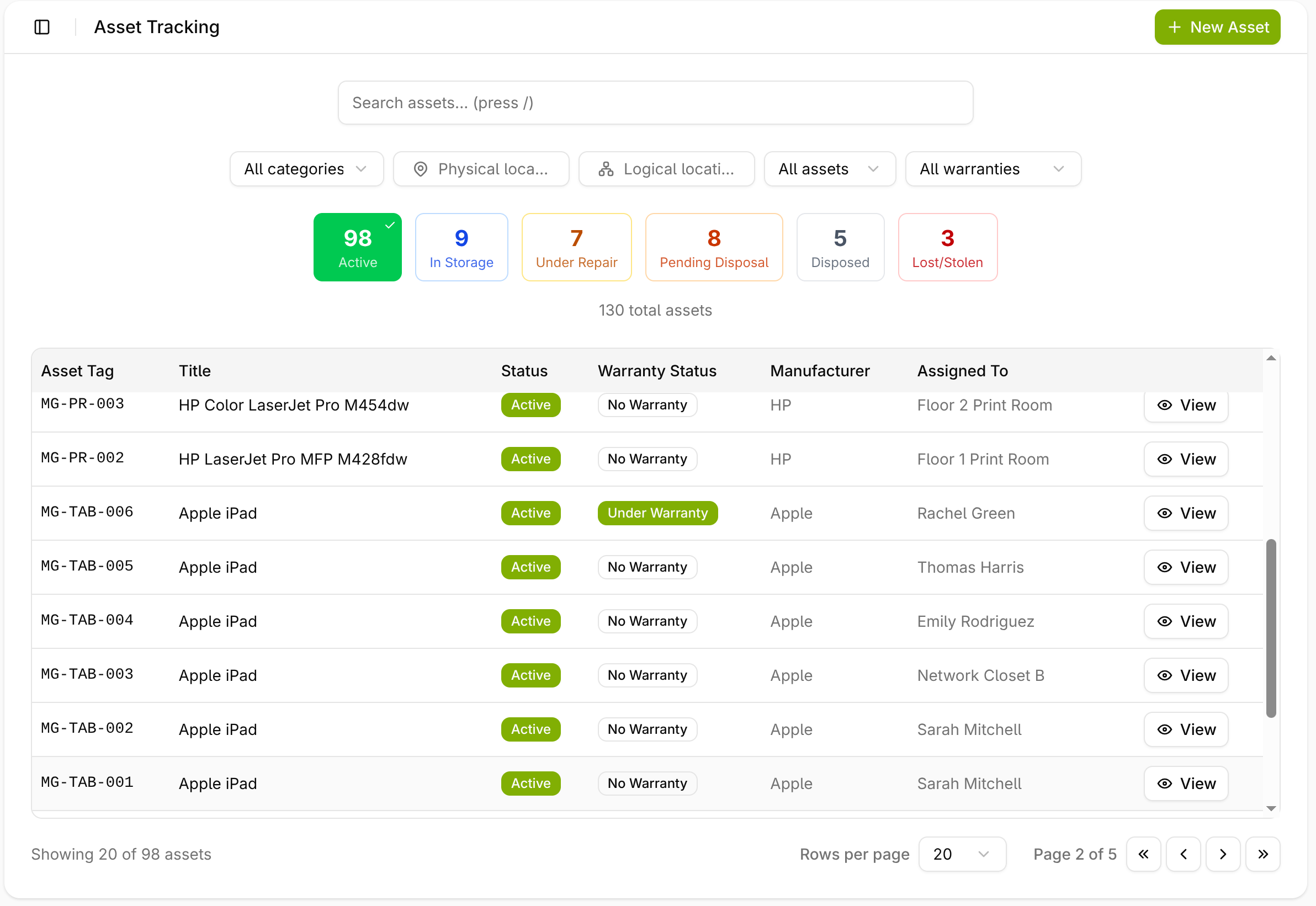
The government is building an Application Programme Interface (API) to allow private software to “talk” directly to the central waste database. We are evaluating how to integrate our internal asset management systems so that when we scan a laptop for recycling, the movement is automatically reported to the central authorities. This eliminates double-entry and human error.
2. Standardising “Waste Descriptions”
The digital system requires more structured data, specifically EWC (European Waste Catalogue) codes, SIC codes, and unique movement reference numbers. We are refining our data entry points to ensure that the descriptions of your IT assets are not just accurate for your inventory, but also perfectly formatted for the new national standards.
3. The “Single Process” for Hazardous and Non-Hazardous
Currently, hazardous waste (like lead-acid batteries or certain circuit boards) requires different paperwork from non-hazardous items. The 2026 mandate moves toward a unified digital process. We are restructuring our digital “Paper Trail” to handle both streams through a single, streamlined portal.
4. Client-Facing Transparency
We are designing our 2026 reporting suite to give you a mirror image of the data we send to the government. This means your internal ESG and compliance dashboards will always be in perfect sync with what the regulators see.
Don’t Wait for the October Rush
Our advice? Start the audit now. If your current ITAD partner hasn’t mentioned the 2026 mandate yet, it might be time to ask how they plan to keep you compliant. At Surplex UK Limited, we’re happy to walk you through our roadmap and show you how we’re turning this regulatory hurdle into a data-driven advantage for your business.
Related reading: IT disposal for councils and the public sector, and how EWC codes classify IT waste.
Frequently asked questions
From 1 October 2026 for businesses receiving waste in England and Wales. Northern Ireland follows in January 2027.
The service opened earlier for voluntary use, so the October date is when recording becomes compulsory rather than when the service appeared.
Any permitted site that receives waste must record what it receives. The obligation then extends further through the waste chain in later phases.
If you produce waste rather than receive it, the practical change is that your supplier’s records become part of a national dataset the regulator can query.
No. The paper system runs alongside the digital service at first, so waste transfer notes, Annex VII forms and hazardous waste consignment notes are still required until further notice.
Plan for both to run in parallel rather than for a clean switchover.
Standardise how your waste is described, make sure each site records movements consistently, and check your disposal supplier will submit records within the required two working days.
Surplex UK Limited is already recording collections in the format the service expects, so client documentation does not change shape when the mandate starts.
Focused Disposal & Data Security
Comprehensive IT Solutions
Get in Touch About Your IT Recycling Needs
We provide IT recycling services for organisations of all sizes across England, Wales and Scotland.
Whether you’re recycling a few old laptops, decommissioning a data centre, or need secure data destruction, our team will help you dispose of IT equipment compliantly and responsibly.
Prefer to speak with us directly?
Call: +44 (0)207 139 5175
Email: info@surplex.co.uk
Monday-Friday, 9am-5pm