As corporate sustainability transitions from a voluntary initiative to a heavily regulated statutory requirement, risk management teams and facility managers must deploy verifiable frameworks to track and reduce their environmental impact. Navigating the complexities of the Waste Electrical and Electronic Equipment (WEEE) Regulations 2013 and the Environmental Protection Act 1990 requires more than ad-hoc recycling policies. For large-scale organisations operating in the UK, implementing a formal Environmental Management System (EMS) is now a critical pillar of corporate governance.
The Core Framework of ISO 14001
ISO 14001 is defined as the internationally recognised standard for Environmental Management Systems (EMS), providing a strategic framework for organisations to systematically control their environmental performance, fulfil statutory compliance obligations, and achieve continuous sustainability improvements.
Rather than prescribing absolute performance targets, this standard dictates the systemic processes an enterprise must implement to manage its environmental responsibilities. For IT directors and procurement officers, adhering to this framework requires the thorough assessment of hardware procurement, energy consumption, and the stringent management of technology at the end of its lifecycle to avoid regulatory intervention by the Environment Agency.
Aligning IT Disposal with Statutory Environmental Duty of Care
A fundamental requirement of maintaining an ISO 14001 accredited EMS is demonstrating a robust, continuous capability to prevent pollution and manage waste compliantly. This directly impacts how corporate IT estates are decommissioned.
When aging servers, end-user devices, and telecommunications equipment are retired, organisations must prove they have minimised their environmental footprint. This requires the strict diversion of redundant technology from general waste streams, achieved by utilising certified business tech recycling and electronic waste disposal channels. By ensuring that legacy hardware is processed according to zero-to-landfill mandates, corporate entities automatically generate the statutory WEEE Waste Transfer Notes necessary to prove Duty of Care compliance during external audits.
Integrating Asset Recovery and ESG Carbon Reporting
Modern corporate governance dictates that an ISO 14001 EMS should actively support broader financial and sustainability objectives. This intersection is particularly critical when addressing mandatory UK reporting frameworks such as Streamlined Energy and Carbon Reporting (SECR) and Procurement Policy Note (PPN) 06/21.
By treating redundant technology as a resource rather than a waste stream, procurement officers can leverage comprehensive enterprise ITAD solutions and asset value recovery strategies. Reclaiming the residual market value of functioning hardware not only offsets operational disposition costs but also feeds directly into the circular economy. This process provides risk management teams with the precise ESG Scope 3 carbon reporting data required to satisfy stakeholders and regulators alike.
Ensuring Auditability and Digital Governance
An ISO 14001 certification is only as strong as the data supporting it. The standard mandates meticulous record-keeping, requiring organisations to maintain an unbroken, real-time audit trail of their environmental mitigation efforts.
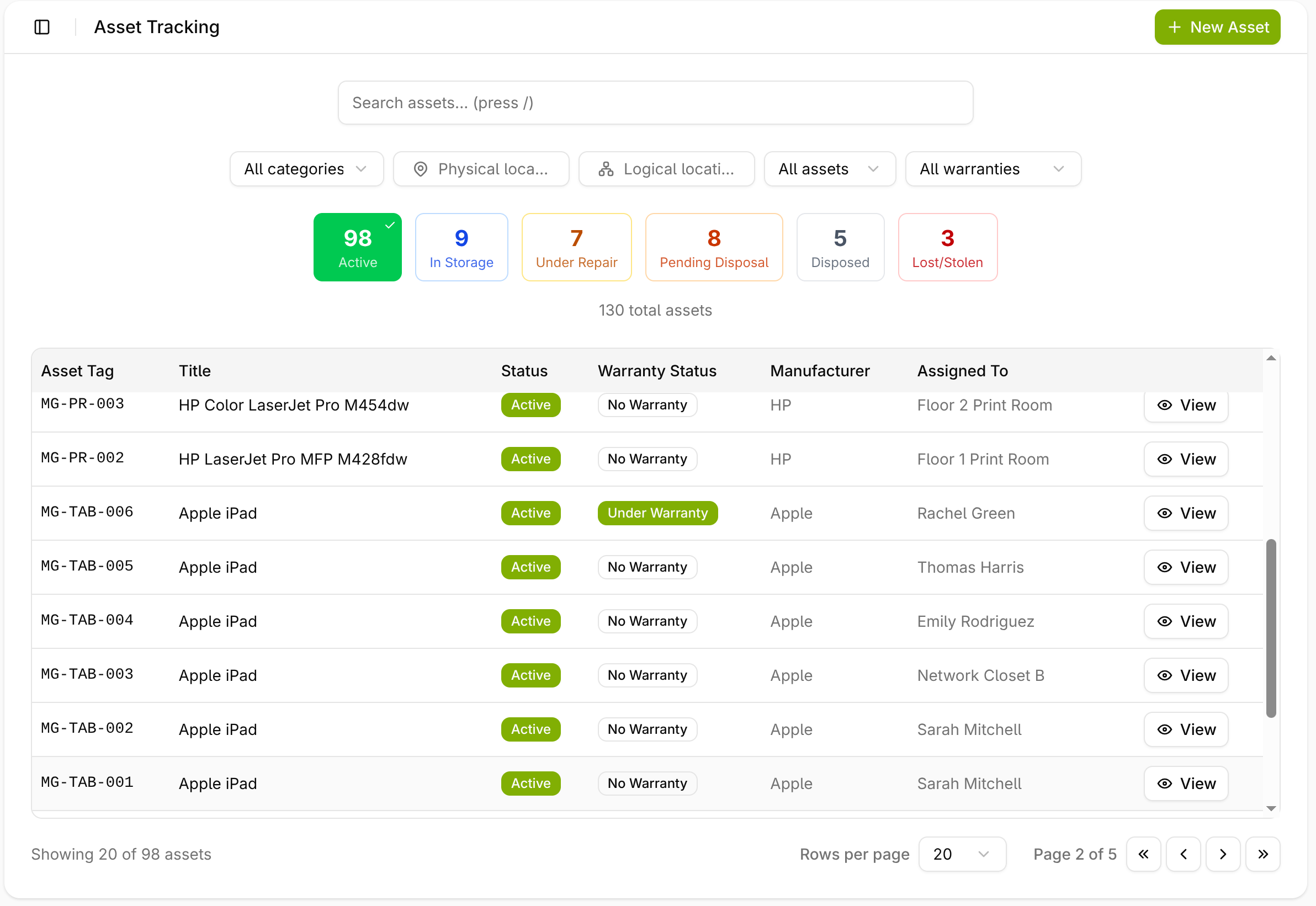
In the context of IT Asset Disposition, relying on fragmented, paper-based records introduces a severe compliance vulnerability. By integrating an audit-ready hardware inventory and IT asset tracking software into their EMS, facility managers can automate the filing of WEEE compliance logs and Certificates of Destruction against specific asset serial numbers. This digital governance architecture ensures that the corporate entity remains perpetually prepared for Environment Agency scrutiny while seamlessly fulfilling the continuous improvement mandates of the ISO 14001 framework.
Related reading: how zero to landfill is actually delivered.
Frequently asked questions
ISO 14001:2015 certifies that a supplier’s environmental management system is independently audited, not self-declared.
Surplex UK Limited holds it. For disposal it means the route each material takes is documented and checked, which is what an auditor asks to see when testing your own environmental claims.
Yes. IT hardware is a waste stream like any other, so an auditor will ask how it leaves the business and what proves where it went.
The usual evidence is a WEEE waste transfer note, a certificate of destruction for data-bearing devices, and figures for what was recovered against what was recycled.
A WEEE waste transfer note as the legal record of handover, a hazardous waste consignment note where batteries or other hazardous components are involved, and Scope 3 carbon and landfill-diversion figures for the load.
Surplex UK Limited makes all of it available in the client portal rather than by email attachment, so it can be produced at audit without hunting through inboxes.
Disposal sits in Scope 3 because the emissions occur outside your own operations but arise from your decisions.
Every collection produces quantified carbon and landfill-diversion figures. Keeping working hardware in service rather than recycling it is what moves that number most.
Focused Disposal & Data Security
Comprehensive IT Solutions
Get in Touch About Your IT Recycling Needs
We provide IT recycling services for organisations of all sizes across England, Wales and Scotland.
Whether you’re recycling a few old laptops, decommissioning a data centre, or need secure data destruction, our team will help you dispose of IT equipment compliantly and responsibly.
Prefer to speak with us directly?
Call: +44 (0)207 139 5175
Email: info@surplex.co.uk
Monday-Friday, 9am-5pm